
artificial intelligence
AI refers to computer systems that perform tasks which normally require human intelligence. AI systems learn patterns, make decisions, and act on data in ways that humans can audit. In the context of religious slaughterhouses, artificial intelligence helps to monitor, verify, and document slaughtering processes so that facilities can meet strict religious requirements. For example, AI can analyze video streams to check animal handling and detect deviations that might compromise halal compliance. Also, AI can combine sensor inputs to create auditable logs for certification bodies. Therefore, AI becomes a tool for trust, and for operational efficiency.
The role of AI in both Halal and Kosher meat production covers several functions. First, AI provides continuous visual monitoring. Second, AI automates routine checks, and it flags exceptions for human review. Third, AI supports traceability across the supply chain. For example, computer vision models can detect packaging labels and match them to records, while data analytics confirm provenance. Additionally, automated alerts reduce delays in audits and help maintain certified halal status of products across processing lines. As a result, facilities can reduce human error while keeping human experts in the loop.
Artificial intelligence also supports audit transparency. For example, convolutional neural networks can detect contaminations or non-compliant items on packaging and production lines, which helps prevent cross-contamination and mislabeling (Advanced Halal Authentication Methods and Technology for …). Furthermore, AI can log events with timestamps, and this makes it easier for halal certification bodies to verify adherence to halal standards. Our company, Visionplatform.ai, turns existing CCTV into a practical sensor network. For example, our platform can detect PPE use and publish events to operations systems, so slaughterhouses gain operational and audit-ready views of processes. Also, Visionplatform.ai runs on-premise to keep data private and auditable for regulators and certifiers.
Finally, artificial intelligence in slaughterhouses acts as both watchdog and assistant. It provides evidence and insight, and it frees human experts to focus on complex religious rulings and decisions. Thus, AI supports both compliance and continuous improvement in halal and kosher meat production.
halal meat industry
The halal meat industry spans local producers, global exporters, certifiers, and distributors. The growing halal market includes consumers who demand documented adherence to halal standards and clear traceability. For example, the European halal meat market shows rapid expansion, driven by demographic trends and consumer preference for certified halal food. Also, blockchain and AI are rising as tools to sustain confidence in halal supply chains (Halal Food Sustainability between Certification and Blockchain). Therefore, businesses that combine technology with transparent processes can win trust.
Consumer trust drives purchases in the halal food sector. For example, halal logos and clear certification labels reassure buyers. In addition, verified traceability strengthens that trust. Consequently, producers and retailers invest in audit-ready documentation, and they work with halal certification bodies to ensure adherence to halal regulations. Certified halal status increasingly depends on technological evidence, and this trend raises the bar for producers across the halal food industry.
The demand for halal products grows not only in traditional markets but across regions that host diverse populations. In response, halal businesses and certifiers must scale without compromising integrity. For example, integrating AI into halal certification can streamline the certification process and reduce errors by up to 30% (Critical success factors affecting the implementation of halal food …). Also, machine learning models applied to halal meat authentication have produced high accuracy rates, sometimes above 90%, depending on the dataset and model (Application of machine learning approach on halal meat …). Thus, the halal meat industry gains measurable benefits from AI-driven verification.
For processors, the challenge lies in aligning rapid scaling with strict halal standards. Also, producers must avoid instances of halal and non-halal foods mixing in the same plant. Therefore, technologies that detect cross-contamination, control line segregation, and log each step can protect halal integrity. For practical implementation, companies often reuse existing CCTV and add analytics. Visionplatform.ai helps enterprises convert video into operational events so they can monitor PPE compliance, workflow, and area access, which supports halal compliance while keeping data on-premise for privacy and regulatory reasons. In short, the halal meat industry that adopts AI gains confidence, traceability, and operational rigor.

AI vision within minutes?
With our no-code platform you can just focus on your data, we’ll do the rest
ai technologies
AI technologies that apply in slaughterhouses include computer vision, machine learning, and edge analytics. Computer vision inspects the visual stream from cameras to detect objects, labels, worker actions, and process anomalies. Also, machine learning adapts models to site-specific conditions. For example, convolutional neural networks (CNNs) can detect packaging marks, contaminants, or improper handling that would compromise halal food production (Advanced Halal Authentication Methods and Technology for …). Next, analytics convert those detections into structured events for dashboards and audits. Thus, facilities gain near-real-time situational awareness.
Machine learning models support automated monitoring of slaughtering steps. For example, algorithms can detect the precise sequence and speed of cuts, the proper handling of animals, and the use of approved equipment. Also, models can score compliance events so that auditors review only significant anomalies. In addition, combining camera-based detection with sensor data reduces false positives. For instance, Visionplatform.ai integrates camera events with existing VMS and streams structured alerts to operations systems. That approach lowers alarm fatigue and increases usability for plant managers.
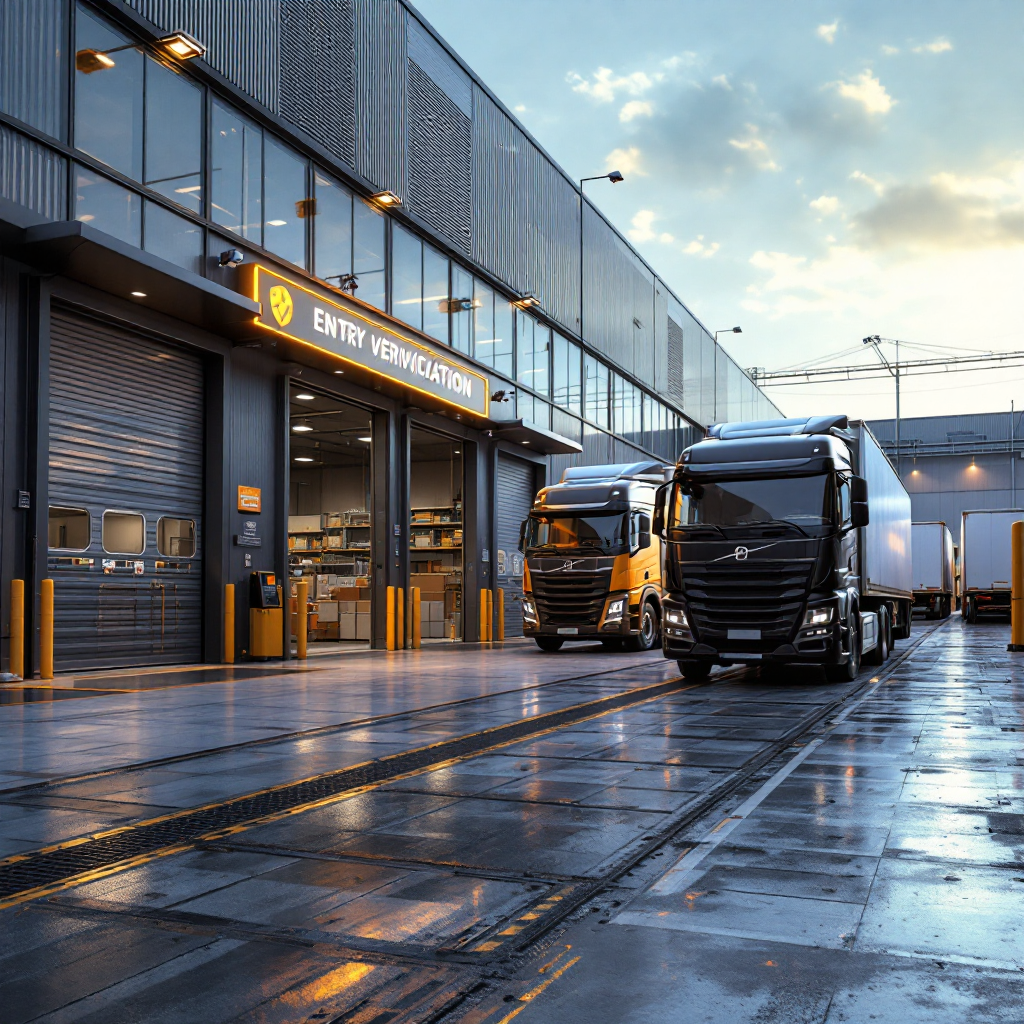
Examples of applied AI technologies include CNNs for contamination detection and automated throat-cut inspections. For instance, researchers report that some machine learning models reach 85–95% accuracy for halal meat authentication tasks (Application of machine learning approach on halal meat …). Also, AI technologies can flag packaging that mismatches records, and they can monitor segregation of halal and non-halal lines. In addition, ANPR/LPR capabilities support logistics by verifying vehicles at entry points and matching arrivals to manifests. For logistics and access control use, slaughterhouses can adapt systems similar to ANPR/LPR solutions used in transport hubs; Visionplatform.ai supports ANPR integration to ensure secure and auditable vehicle flows. Finally, on-prem processing preserves data control for operators under regional regulations like the EU AI Act and GDPR.
supply chain
Data-driven integrity and end-to-end traceability matter across the supply chain. AI can knit together farm records, transport logs, slaughterhouse events, and retail scans. Also, automated records make it easier for halal certification bodies to validate chains of custody. For example, combining camera-derived events with blockchain and big data analytics can protect the halal status of products from farm to table (Halal Food Sustainability between Certification and Blockchain). Therefore, an integrated approach helps prevent substitution, fraud, or accidental mixing.
Halal supply chain tools include inventory tracking, vehicle verification, cold chain monitoring, and tagged packaging audits. For vehicle verification, systems analogous to ANPR help confirm shipments and streamline inbound checks. Visionplatform.ai supports ANPR/LPR integrations so sites can automatically match vehicles to manifests and link arrivals to upstream farm records. Next, cameras and sensors can verify that chilled storage remains within safe temperatures and that halal meat products maintain their certified status during transport.
Also, blockchain integration can create immutable records that pair with AI event logs. For example, AI records that show a compliant slaughtering sequence can attach to a blockchain entry for a batch. This level of traceability helps collision-proof claims about halal product provenance. In addition, big data analytics can spot unusual patterns that suggest fraud or non-compliance. For example, sudden shifts in batch origins or repeated exceptions at a particular plant can signal an integrity issue that requires a halal audit. Therefore, combining AI and distributed ledgers supports resilient halal supply chain management and enhances the confidence in the halal meat supply chain.
Finally, the food supply chain benefits when systems publish structured events to operational systems. Visionplatform.ai streams events via MQTT so operations teams can use camera detections for KPIs and for integration with SCADA or BI tools. Thus, slaughterhouses can turn cameras into sensors that feed a regulated, auditable traceability fabric for halal and kosher meat production.
AI vision within minutes?
With our no-code platform you can just focus on your data, we’ll do the rest
halal compliance
AI plays a central role in automating tasks that support halal certification. First, AI can reduce human error in the certification process by handling repeated inspections and by providing objective logs. For example, experts estimate that integrating technology could cut certification errors by up to 30% (Critical success factors affecting the implementation of halal food …). Also, machine learning and computer vision can verify that slaughtering methods meet religious jurisprudence and that equipment use follows prescribed protocols. Thus, AI augments human experts rather than replaces them.
To ensure halal slaughtering, systems must respect both technical and religious constraints. For example, AI in halal can monitor the precise sequence of steps, detect incorrect handling, and log the presence of authorized personnel. Also, halal certification bodies can use those logs during audits to confirm adherence to halal standards. In addition, automated checks can verify that the line remains segregated between halal and non-halal products. For instance, cameras can detect cross-traffic, and alarms can notify supervisors to intervene and correct the flow.
Experts emphasize that technological factors, including AI, must integrate with expert human oversight to ensure authenticity and compliance (Factors that influence the implementation of Halal certification by …). Therefore, facilities should design systems that allow religious authorities to review raw evidence. Also, on-premise solutions keep sensitive data within an operator’s environment, which supports halal certification bodies and regulators who require auditable trails.
Finally, AI for halal certification must handle cultural sensitivity. For example, models should adapt to local slaughter methods and to specific jurisprudential rulings. Also, certifying organizations should set the acceptance criteria and review the AI’s outputs during trials. Visionplatform.ai’s flexible model strategy—pick, retrain, or build on your own data—helps operators align camera analytics with local halal certification standards. This combination of adaptable technology and human expertise preserves the integrity of halal audits and supports continuous compliance.
future of ai in halal
The future of AI in halal faces challenges and opportunities. First, challenges include cultural sensitivity, model generalization, and regulatory constraints. For example, models trained on one line may not generalize to another without retraining. Also, facilities must ensure that AI does not inadvertently compromise the halal status of products by misclassifying events. Therefore, continuous validation and local oversight remain essential. In addition, research calls for further study on emerging food technologies, including cultured meat, and their relationship to halal standards (Integrity Challenges in Halal Meat Supply Chain …).
Despite challenges, growth opportunities exist across the halal market. For example, technologies that streamline the halal certification process can accelerate access to new markets and reduce costs for producers. Also, AI-driven traceability helps exporters prove provenance to importers and to end consumers. In addition, automated halal audits could let certifiers scale their reach while keeping high integrity. As a result, the global halal market stands to gain from practical AI adoption that respects religious rulings.
Moreover, collaborative research between technologists and religious authorities will shape the next wave of innovations. For instance, “AI and advanced manufacturing technologies can modernize halal and kosher slaughterhouses by embedding Shariah and Kashrut compliance directly into the production line” (Artificial Intelligence (AI) Integration of Shariah Compliance in Halal …). Therefore, the future depends on interdisciplinary work.
Finally, practical deployment strategies will matter. For example, adopting edge-first AI reduces data movement, preserves privacy, and supports regulatory readiness under frameworks like the EU AI Act. Also, platforms that let operators control models and data can increase adoption in the halal sector. Visionplatform.ai provides on-prem edge options and flexible model strategies so firms can scale analytics without ceding control. In short, the future of AI in halal looks promising for those who combine ethical oversight, technical rigor, and clear certification pathways.
FAQ
What is AI and how does it apply to halal meat?
AI refers to systems that learn from data to perform tasks such as detection and classification. In halal meat processing, AI analyzes video and sensor data to verify handling, prevent cross-contamination, and generate auditable records for halal certification.
Can AI actually verify halal certification?
AI can support halal certification by logging objective evidence and by flagging non-compliant events. However, human certifiers must review and endorse AI outputs to confirm adherence to religious jurisprudence.
Are machine learning models accurate for halal authentication?
Yes, studies show machine learning models achieving accuracy rates from about 85% up to above 90%, depending on the dataset and algorithm (source). Still, model validation and local retraining improve reliability.
How does AI improve traceability in the supply chain?
AI captures and structures events from farm to retail, and it links those events to batch records. When paired with blockchain or analytics, AI helps ensure the halal status of products across the supply chain (source).
Will AI replace human halal auditors?
No, AI complements auditors by automating routine checks and by surfacing exceptions. Human experts retain authority to interpret religious rulings and to make final certification decisions.
How can slaughterhouses keep data private while using AI?
Operators can use on-premise and edge processing to keep video and models within their environment. This approach supports GDPR and EU AI Act readiness and prevents unnecessary data export.
What challenges exist for AI adoption in halal operations?
Challenges include cultural sensitivity, model transferability, integration with certification bodies, and technical barriers. Addressing these requires interdisciplinary collaboration and ongoing validation (source).
How do AI and blockchain work together for halal?
AI generates auditable event logs and proofs of process, while blockchain stores immutable records that link to those logs. Together, they create a robust provenance trail for halal food products (source).
Can existing CCTV be used for AI in slaughterhouses?
Yes, many operators convert existing CCTV into operational sensors. Platforms can detect PPE use, process anomalies, and access control events while keeping data on-premise. Visionplatform.ai specializes in turning CCTV into analytics-ready sensors.
What benefits can halal businesses expect from AI?
Businesses gain improved compliance, fewer certification errors, stronger traceability, and operational efficiency. In practice, automating inspections and publishing structured events to operations systems reduces manual work and improves audit readiness (source).
For more technical examples on camera-based analytics that apply to process monitoring, consider our resources on PPE detection and process anomaly detection for industrial sites. See PPE detection for worker safety PPE detection, automatic vehicle checks via ANPR for logistics ANPR/LPR, and process anomaly detection for line monitoring process anomaly detection.